What to know about narrow access for Hampstead removals
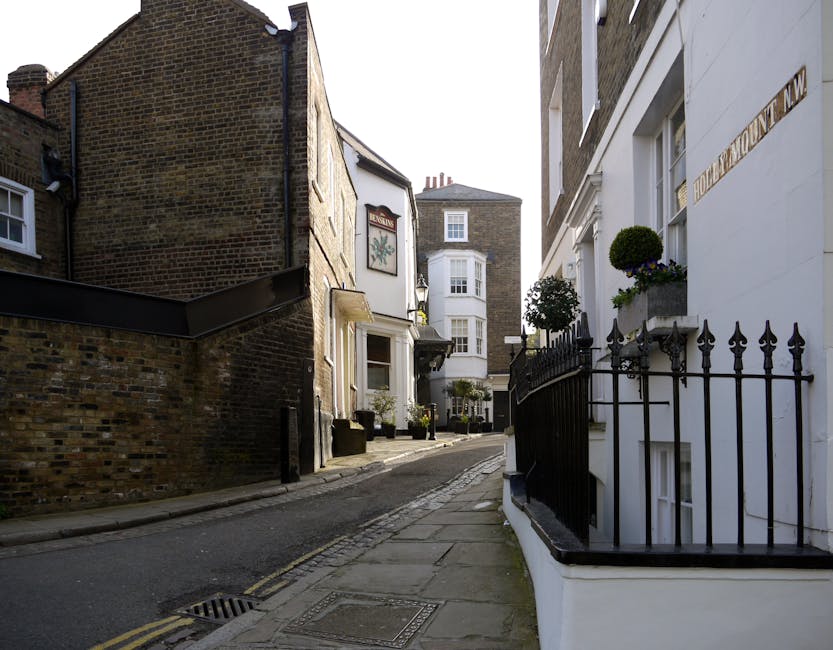
Narrow access can turn a straightforward move into a bit of a puzzle. In Hampstead, that puzzle often includes tight staircases, basement flats, awkward entrances, small lifts, limited parking, and those charming but slightly unforgiving older buildings. If you are trying to work out what to know about narrow access for Hampstead removals, the short answer is this: plan early, measure properly, and choose the right moving method for the space you actually have.
This guide breaks down what narrow access means in real life, why it matters so much in Hampstead, and how to avoid the kind of moving-day surprises that make everyone stare at a sofa in silence. You will also find a checklist, a comparison table, and practical tips you can use whether you are moving a flat, a house, or a small office. To be fair, a good move is usually won before the van even arrives.
- Why narrow access matters
- How narrow access removals work
- Key benefits and practical advantages
- Who this is for and when it makes sense
- Step-by-step guidance
- Expert tips for better results
- Common mistakes to avoid
- Tools, resources and recommendations
- Law, compliance, standards, or best practice
- Options, methods, or comparison table
- Case study or real-world example
- Practical checklist
- Conclusion
- Frequently asked questions
Why What to know about narrow access for Hampstead removals Matters
Narrow access affects almost every part of a move: how you pack, what vehicle you use, how long loading takes, how many people are needed, and whether heavy furniture can be moved safely at all. In Hampstead, that matters more than people often expect because older terraces, mansion blocks, converted flats, and basement properties can create access issues that look minor on paper but feel very real on the day.
Think of a tall wardrobe that fits fine in your home but will not turn on a small landing. Or a sofa that looks manageable until you get to a narrow hallway with a sharp bend. Those are not edge cases; they are the everyday realities of move planning in built-up London neighbourhoods. And once the clock is ticking, small access problems quickly become expensive delays.
The real value of understanding narrow access early is simple: it helps you make better decisions. You can choose a more suitable vehicle, split the move into smaller loads, book extra handling support, or use small removals instead of trying to force everything into one oversized visit. Sometimes the sensible move is a slightly slower one. Not glamorous, but sensible.
It also improves safety. Narrow corridors, steep stairs, and tight corners create greater risk of knocks, dropped items, wall damage, and personal strain. If you want a calmer day and fewer surprises, the access conversation should happen before anything is lifted.
How What to know about narrow access for Hampstead removals Works
Narrow access removals are not a special category because the items are unusual. They are special because the route in and out of the property is awkward. The process usually starts with an access review: where the van can stop, how far items need to be carried, whether stairs or lifts are involved, and whether large furniture can physically pass through each doorway and turn.
A good mover will usually look at four things:
- The route - from room to front door, then from building to vehicle.
- The size of key items - beds, wardrobes, sofas, desks, and appliances.
- The handling method - one person, two people, or a larger team.
- The timing and parking - especially on streets where space is tight.
In a narrow access job, the move may need to be broken into smaller loads or staged carefully. For example, a team might bring out fragile boxes first, then dismantled furniture, then the larger items once the route is clear. That sounds almost obvious, but in practice it saves a lot of jostling around in stairwells.
Some moves also benefit from temporary storage. If access is extremely tight or the destination is not quite ready, using secure storage or removals and storage can reduce pressure on the move day. That is especially useful if you are coming from a flat with a tight entrance and heading to a property that still needs work.
Truth be told, the difference between a smooth narrow access move and a chaotic one is often just preparation. Measure, photograph, and describe the access honestly. No fancy language needed.
Key Benefits and Practical Advantages
Getting narrow access right is not just about avoiding problems. It also has a few real advantages that people sometimes miss until they are already halfway through a move.
1. Less risk of damage
When the route is planned in advance, movers can protect corners, door frames, bannisters, and flooring properly. That helps protect both your belongings and the building. A tight squeeze does not need to become a scratch-and-dent story.
2. Better time management
Knowing that a sofa must be angled, rotated, or dismantled lets the team plan labour accurately. That often means fewer awkward pauses on the day and less time spent improvising in a hallway.
3. Smarter vehicle choice
Not every move needs the largest van available. For some Hampstead streets, a smaller vehicle or a split-load approach may be more practical. If parking is awkward, a focused local move using local removals can be far easier than trying to treat it like a standard full-house job.
4. Lower stress for everyone
Let's face it, moving is already stressful. Narrow access can magnify that stress because every bump or blocked corner feels like a problem waiting to happen. Good planning takes a chunk of that weight off your shoulders.
5. Better decisions on packing and dismantling
Once you know the access constraints, you can decide what should be dismantled, wrapped, or moved separately. That is where services like packing services become genuinely helpful rather than just convenient.
| Access situation | Typical challenge | Best practical response |
|---|---|---|
| Steep staircase | Heavy items become harder to manoeuvre safely | Measure stair width, use two-person handling, dismantle where possible |
| Basement flat | Restricted entry and awkward turns | Plan extra carrying time and protect flooring and walls |
| Small lift | Furniture may not fit upright or at all | Check lift dimensions before move day and split items down |
| Narrow street parking | Van cannot stop directly outside | Allow for longer carry distance and parking fallback options |
Who This Is For and When It Makes Sense
Narrow access planning is useful for anyone moving from or into a property where the route is not straightforward. That might be a top-floor flat, a basement apartment, an older Hampstead townhouse, a converted building with a shared entrance, or an office suite tucked away behind a tight staircase. If you have ever said, "the door looks smaller in real life than it did in the photos," you are exactly the audience here.
It makes especially good sense for:
- flat owners and tenants with tight hallways or staircases
- families moving large furniture in period properties
- students moving into compact rooms or shared accommodation
- businesses relocating from older office buildings
- people with limited time who want the move done efficiently
- anyone storing items temporarily before a move into a difficult property
For flats in particular, it is worth looking at flat removals early in the process. Flats often combine narrow access with building rules, lifts, and shared entryways, which is a fairly classic London headache.
Businesses face a different but related issue. Office furniture and filing systems are often bulkier than people expect, which is why office removals and office storage can be a helpful combination when access is tight or the handover date is messy. And yes, office chairs somehow multiply at the worst possible moment.
Step-by-Step Guidance
If you want a move that feels controlled rather than chaotic, follow a simple process. Nothing fancy. Just the practical steps that prevent the usual mistakes.
- Measure the access route. Door widths, stair width, landing space, lift dimensions, ceiling height, and awkward turns all matter. Measure with furniture in mind, not just the room.
- List the large items first. Sofas, beds, wardrobes, dining tables, desks, appliances, and anything unusually long or heavy should be checked before the rest of the packing begins.
- Take photos from the tricky angles. A wide shot rarely tells the full story. Photograph stairs, corners, entrances, parking restrictions, and any low ceilings or pipework.
- Decide what can be dismantled. Flat-pack furniture, bed frames, and some shelving units are easier to move in pieces. Do this before moving day, not while standing in the hallway with a screwdriver and rising panic.
- Choose the right removal support. Depending on your setup, a smaller van, extra hands, or a blend of moving and storage may work best. If the move is mainly smaller loads, man and van can be a smart fit.
- Plan for parking and carry distance. A van parked round the corner changes the rhythm of the move. It is not a disaster, but it needs more time and more care.
- Protect the route. Floor coverings, door protectors, and furniture blankets reduce the risk of scuffs and slips.
- Keep essentials separate. First-night boxes, chargers, documents, medication, and keys should not disappear into the back of the van.
One useful habit is to sort items into "easy," "tricky," and "do not guess." That last category matters. If something looks awkward, it probably is. You do not want to discover that on the stairs.
Expert Tips for Better Results
A few practical details can make narrow access removals much easier. These are the sorts of things that tend to come from real moving experience, not theory.
- Measure the item diagonally, not just edge to edge. A wardrobe or mattress may fit one way but not another, and the diagonal is often the true deciding factor.
- Use lightweight packing where possible. Overfilled boxes are hard enough in a normal move. In narrow access, they become unwieldy very quickly.
- Wrap fragile corners properly. Narrow hallways and stair turns create more contact points, so good wrapping matters more than usual.
- Leave a clear path from the room to the exit. A cluttered hallway turns a difficult route into a bad one.
- Tell the team about the "little" problems. Low-hanging light fittings, a squeaky gate, or an entrance that sticks can all slow things down.
- Be honest about parking. If the van cannot stop directly outside, say so. Nobody enjoys finding out at 8:00 in the morning that the street is basically a no-go zone.
If your move is only partially ready, short-term storage can ease the pressure. Short-term storage works well when the access problem is temporary, such as between tenancies, after a refurbishment, or while waiting for completion. If you need a longer buffer, long-term storage may be the calmer option.
A small but useful tip: keep a notebook or phone note with item sizes and route details. It sounds almost too basic to mention, but it saves time when someone asks, "How wide is that stairwell again?"
Common Mistakes to Avoid
Most narrow access problems are not caused by the access itself. They come from assumptions. Fairly human, really. But still avoidable.
- Assuming furniture will "just go through." It might. It might not. Measure it.
- Forgetting about turning space. A doorway is only part of the puzzle. The angle before and after it matters too.
- Ignoring parking and loading restrictions. If the van must park far away, the whole schedule changes.
- Underestimating labour needs. Tight access often means more handling, not just more time.
- Leaving dismantling until the last minute. That usually ends in lost screws and mildly frantic energy.
- Not checking building rules. Some blocks have access windows, lift booking systems, or requirements for protective coverings.
- Using oversized boxes. In narrow staircases, a box that is too heavy or too bulky becomes a problem very fast.
There is also a subtler mistake: trying to manage everything yourself because the move seems "small enough." Sometimes it is. Sometimes it is not. If the property is awkward and the items are bulky, extra support can actually save you money by preventing delays and damage. That is where professional removals and combined removals and storage become more of a practical solution than a luxury.
Tools, Resources and Recommendations
You do not need a huge toolkit, but a few items make narrow access moves safer and less stressful. The right basic kit often matters more than brute force.
- Tape measure - for doors, furniture, and stair widths.
- Phone camera - for photographs of access points and tricky corners.
- Furniture blankets and wrap - to protect surfaces from knocks and scrapes.
- Gloves with grip - especially useful for awkward or heavy items.
- Labels and marker pens - to keep dismantled parts and box contents organised.
- Floor protection - very useful in narrow hallways and entrance areas.
For people who are moving delicate or valuable items, insurance and clear handling expectations matter. It is sensible to review insurance and safety information before the move so everyone understands how belongings will be handled and what protection is in place. That does not remove all risk, of course, but it helps set expectations properly.
If you are comparing options, look at whether you need a full packing service, a smaller move, temporary storage, or a more tailored removals and storage arrangement. The best choice is usually the one that matches your access, not the one that sounds most impressive in a quote.
Law, Compliance, Standards, or Best Practice
For narrow access removals, the main compliance focus is not a special narrow-access law. It is the normal duty to carry out work safely, avoid damage, and manage risk sensibly. In the UK, good practice generally means planning manual handling properly, keeping walkways clear where possible, and making sure people are not asked to lift more than is sensible for the route and the item.
Building rules can matter too. Many flats and managed buildings have their own access procedures, and it is wise to follow them. That may include lift bookings, noise restrictions, protective coverings, or specific loading times. These are not glamorous details, but they keep the move moving.
From a business point of view, clear terms, transparent payment, and sensible expectations are part of professional service. If you want to understand the practical framework around booking and service scope, it can help to review terms and conditions and payment and security. Those pages are not about narrow access specifically, but they support a safer, clearer booking process.
Health and safety is especially relevant where staircases are steep or access is restricted. In those cases, the safest move is the one that avoids rushing, overloading, or forcing items through unsuitable spaces. Nothing complicated there, just good professional judgement.
Options, Methods, or Comparison Table
Different narrow access situations call for different moving methods. Here is a simple comparison to help you think it through.
| Method | Best for | Strengths | Trade-offs |
|---|---|---|---|
| Full removals team | Larger homes or mixed loads | Structured, efficient, good for heavier items | Can be more than you need for very small moves |
| Man and van | Smaller moves, partial loads, flexible timing | Practical, often quicker to arrange, less complex | May not suit very heavy or bulky furniture without planning |
| Small removals | Single-room moves, student moves, compact flats | Well matched to tight access and smaller item counts | Not ideal for full-house relocations |
| Removals plus storage | Moves with timing gaps or access uncertainty | Reduces pressure when the property is not quite ready | Requires extra coordination |
If your move includes lighter loads or a few awkward items, the practical answer may be a combination of man and van and temporary storage. For a full household move, house removals is usually the better fit. And if you are dealing with furniture that needs to wait for the right moment, furniture storage can keep things out of the way without turning the whole house into a maze.
Case Study or Real-World Example
Picture a typical Hampstead flat move on a damp Thursday morning. The entrance is narrow, the stairwell bends sharply halfway up, and the sofa is just a little too long to feel comfortable. The client had assumed it would be fine because the flat itself looked spacious. Classic situation.
Once the access route was measured, the team could see the sofa would need to be moved at an angle and the bedside cabinets would be better carried separately. The bed frame was dismantled the day before, which saved a lot of time. A small van was used because parking on the street was tight, and boxes were staged in the hallway to keep the stairwell clear.
The move was not effortless, but it was controlled. No damage, no shouting, no mysterious pause while everyone pretended to "just check the measurements again." The job went smoother because access had been treated as a planning issue rather than an inconvenience.
That is the real lesson. Narrow access does not have to create a crisis. It just asks for more thought at the start.
Practical Checklist
Use this checklist before your move day. It is simple, but it catches a lot of the stuff people forget.
- Measure all doors, staircases, landings, and lifts
- Measure the largest furniture items, including diagonals
- Photograph the entrance and any awkward corners
- Check parking, loading restrictions, and access windows
- Decide which items should be dismantled
- Label boxes clearly and keep them at manageable weights
- Protect floors, walls, and vulnerable corners
- Separate essentials for immediate access after arrival
- Tell the removals team about every access issue, even the small ones
- Consider storage if the timing or access is uncertain
If your move is tied to an office handover or an in-between property situation, office removals and office storage may also be worth considering. For document-heavy moves, document storage can help keep the transition tidy and manageable.
Get a free quote today and see how much you can save.
Conclusion
What to know about narrow access for Hampstead removals comes down to one simple idea: the route matters just as much as the belongings. If the staircase is tight, the parking is awkward, or the building layout is old and fiddly, your move needs to be planned around that reality rather than against it.
Measure early, be honest about the access, choose the right moving method, and do not be shy about using storage or smaller-load options when they make the job safer and calmer. A little extra preparation can save a lot of stress, and honestly, that is usually the best bargain in any move. One careful step at a time.
Frequently Asked Questions
What does narrow access mean in removals?
Narrow access means the route in or out of a property is restricted in some way, such as a tight staircase, small lift, narrow doorway, or limited parking close to the entrance.
How do I know if my Hampstead property has narrow access?
If you need to turn furniture sharply, carry items up steep stairs, use a small lift, or park the van far from the entrance, you probably have some degree of narrow access. Taking measurements will confirm it.
Should I measure furniture before booking removals?
Yes, absolutely. Measure your largest items, including height, width, depth, and sometimes the diagonal. That helps avoid the awkward moment when a sofa reaches the doorway and everyone goes quiet.
Can a removal team move large furniture through narrow stairs?
Sometimes yes, sometimes no. It depends on the item size, stair shape, and available turning space. Dismantling the furniture or using a different route may be needed.
Is a man and van suitable for narrow access moves?
Often, yes, especially for smaller loads or compact flats. A man and van service can be a sensible choice when a full-size vehicle would be awkward.
What should I do if my building has a small lift?
Check the lift dimensions before moving day and compare them with your largest items. If the lift is too small, plan to dismantle furniture or move it by stair with proper handling support.
Do I need storage if access is difficult?
Not always, but it can help when timings are uncertain or the property is not ready. Short-term storage is useful for temporary gaps, while longer delays may suit long-term storage.
Will narrow access make my move more expensive?
It can, because it may require more labour, more time, or a different vehicle. The exact impact depends on the property and the items involved, so it is best treated as a planning question rather than a fixed rule.
What are the biggest mistakes people make with narrow access removals?
The most common mistakes are failing to measure properly, underestimating carry distances, forgetting parking restrictions, and leaving dismantling until the last minute.
How can I make a narrow access move safer?
Keep the route clear, use protective coverings, avoid overfilled boxes, communicate access issues early, and make sure items are handled by the right number of people. Safety first, boring but true.
Is packing service worth it for a narrow access move?
It often is. Careful packing makes items easier to carry, easier to stack, and less likely to suffer damage. If your move is tight and time-sensitive, packing services can be a real relief.
Where should I start if I am planning a Hampstead move with tricky access?
Start with measurements, photos, and an honest assessment of the access route. From there, decide whether you need removals, storage, packing help, or a smaller vehicle. If you want to talk it through, use the site's contact options to get the conversation started.