Rosslyn Hill removals for Victorian stair case properties: a practical guide for safe, careful moves
Moving in Rosslyn Hill can feel straightforward on paper, then suddenly the stairwell tells a different story. Victorian stair case properties often come with narrow turns, steep steps, tight landings, awkward door frames, and the sort of corners that make even a modest sofa look a bit overconfident. That is exactly why Rosslyn Hill removals for Victorian stair case properties need more than a standard moving day plan.
If you are moving into, out of, or within one of these older homes, the real challenge is not just lifting heavy items. It is protecting the property, avoiding damage, keeping people safe, and making sure the move stays calm enough that you do not spend the day holding your breath. In this guide, you will find a clear breakdown of how these moves work, what to watch for, what helps, and when specialist support can save a lot of hassle. Truth be told, a careful plan is worth its weight in tea and biscuits.
Whether you are moving a few rooms, a full household, or just the bulky items that refuse to behave, the goal is the same: make the move efficient without turning a beautiful period staircase into a battleground.
Why Rosslyn Hill removals for Victorian stair case properties Matters
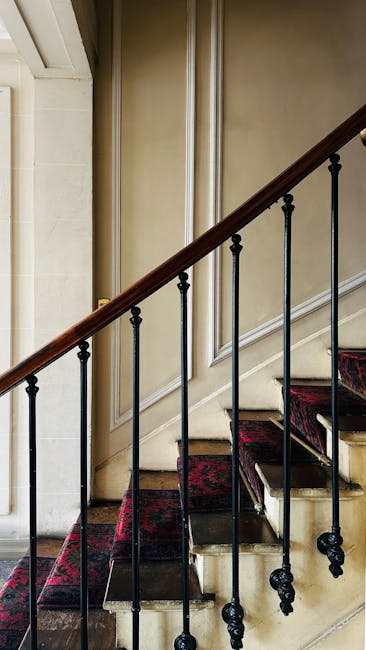
Victorian staircases are charming right up until moving day. They were designed for a different era, with different furniture, different expectations, and usually a lot less glass, metal, and flat-pack everything. In Rosslyn Hill, that matters because many homes and flats in older terraces or converted buildings have staircases that are steep, narrow, or split by landings that make turning impossible without planning.
The main issue is not just size. It is geometry. A wardrobe might technically fit through the front door, but then refuse to pivot on a half landing. A mattress might bend enough to make the corner. A piano, large bookcase, or antique sideboard? That is where experience starts to matter. You can almost hear the building saying, "Nice try."
These properties also often have delicate features: painted walls, bannisters with character, period plaster, old floorboards, and stair runners that show every scuff. If you are handling removals in a house like that, you are not just moving objects. You are protecting a lived-in piece of architecture. That is a different mindset, and it changes everything from packing method to loading order.
Another reason it matters is neighbour awareness. Victorian conversions and terraced homes in London often share tight entrances, narrow pavements, or limited parking. A move that is not planned well can create avoidable friction with neighbours, building managers, or passers-by. In busy local streets, a careful, tidy approach is not just polite. It makes the move smoother.
Key takeaway: in older Rosslyn Hill properties, the staircase is often the deciding factor. Good removals are built around access, protection, and timing, not just muscle.
How Rosslyn Hill removals for Victorian stair case properties Works
The process usually starts long before the van arrives. A sensible removal plan begins with a quick assessment of the property layout: staircase width, turning points, ceiling height, banister clearance, entry route, parking access, and whether especially large items need to be dismantled. That early check helps prevent the classic "we should have measured that" moment.
For Victorian stair case properties, the move is often split into smaller decisions. Which items go first? Can the bulky furniture be taken apart? Is protection needed on walls, corners, and bannisters? Would it help to use additional carrying straps, furniture blankets, or specialist trolleys? In many cases, the answer is yes, yes, and yes again.
A well-run move also pays attention to sequence. Heavy items should not block access for smaller ones. Fragile items should not be handled after everyone is already tired. And if parking is tight, loading needs to be timed to reduce carrying distance. Small details like these can save a surprising amount of strain.
For residents in older homes, the actual movement often happens in phases:
- Protect the staircase, floor edges, and door frames.
- Measure the awkward items and decide what can safely fit.
- Disassemble furniture if needed.
- Move the heaviest pieces first while the team is fresh.
- Carry lighter boxes and fragile items after the route is clear.
- Check the property for marks, missed items, or packing waste before finishing.
If storage is needed between moves, it can make the whole process less frantic. Some people move a few rooms at a time and use removals and storage to bridge the gap, especially when completion dates are not lining up neatly. That little bit of flexibility can be a lifesaver.
Key Benefits and Practical Advantages
The biggest advantage of a specialist approach is simple: less risk. Victorian staircases can be unforgiving. One bad angle, one overconfident lift, and suddenly a wall is marked or a banister is chipped. A careful removals method reduces that risk at the source.
There is also the matter of time. It sounds odd, but slower and more considered often ends up being faster overall. Why? Because the team is not wrestling awkward items at the top of the stairs, restarting tasks, or stopping to solve avoidable problems. You spend less time improvising and more time moving.
Here are the practical advantages that matter most:
- Better protection for period features: bannisters, walls, stair nosings, and floorboards stay safer.
- Lower chance of damage to furniture: awkward items are handled with the right tools and technique.
- Reduced physical strain: the lifting load is managed more intelligently.
- Cleaner move day: less chaos in corridors, stairwells, and entrances.
- More predictable timing: especially helpful in narrow London streets.
- Less stress overall: which, to be fair, is the thing most people really want.
There is another benefit people sometimes overlook: confidence. If you know the route has been thought through, you are less likely to panic when a sofa arrives at the landing and looks two inches too wide. In our experience, that calm matters just as much as physical strength. Maybe more.
Who This Is For and When It Makes Sense
This type of removals support is a good fit for anyone dealing with a Victorian staircase, but it is especially useful in a few common situations.
You may need it if you are:
- moving into a Victorian conversion flat with narrow stairs
- leaving a top-floor property with limited access
- handling large or awkward furniture like wardrobes, sofas, beds, or desks
- moving on a tight schedule and cannot afford delays
- trying to avoid damage in a period home
- moving elderly parents or family members and want the day to feel manageable
- combining removals with short-term or secure storage
It also makes sense when the building itself is lovely but inconvenient. There is a certain charm to creaky stairs and old banisters, let's face it, until you are trying to turn a king-size mattress around a bend. If the route has more than one awkward corner, specialist planning becomes far more valuable.
For smaller moves, a flexible option such as small removals may be enough, particularly if you are only shifting a few bulky items or part of a household. For larger family moves, a more complete service like house removals can help keep everything coordinated.
Sometimes the real decision is not whether to use help, but how much help you need. That is a useful distinction. A full team is not always necessary. But if the stairs are tight and the furniture is less forgiving, the safest option usually becomes obvious quite quickly.
Step-by-Step Guidance
If you want a move that feels under control rather than improvised, it helps to break it down. This is the part where a bit of planning saves a lot of grumbling later.
1. Measure the difficult bits first
Measure the width of the staircase, the size of each landing, and the dimensions of the largest furniture. Do not just check one width and hope for the best. Victorian stairwells often narrow at the top, and the turning space can be tighter than it looks from below.
2. Identify the awkward items
Not all furniture creates the same problem. A sofa may need a tilt-and-turn approach. A wardrobe may need to be dismantled. A mirror, lamp, or framed artwork may be fragile rather than heavy. It helps to split items into three groups: bulky, fragile, and straightforward.
3. Decide what should be dismantled
Furniture that can be safely taken apart usually moves more easily. Bed frames, table legs, shelving, and some wardrobes are common candidates. Keep fixings in labelled bags so you are not searching for screws at 9pm with a torch in your mouth. A very glamorous scene, that one.
4. Protect the property
Use coverings for bannisters, walls, and flooring. This step is especially important in older homes where surfaces are more easily marked. If the route is tight, consider extra padding at corners and pinch points.
5. Plan loading order
Put the heaviest and bulkiest pieces in the vehicle first, unless the access route makes a different sequence safer. The goal is to keep the staircase as clear as possible while protecting energy and reducing repeated lifting.
6. Keep a clear path
Boxes left on landings become trip hazards very quickly. Keep the stairs clean, dry, and uncluttered. If possible, have one person manage the route while others bring items down. A simple handoff system works better than shouting across the landing.
7. Do a final sweep
Before leaving, check cupboards, loft spaces, under stairs, and behind doors. Victorian homes have a way of hiding things in odd corners. Keys, documents, curtain poles, and that one charger you absolutely needed can all disappear until the last minute.
Practical note: if you are moving fragile or valuable items, make sure they are packed separately and identified early. Once the stairs get busy, the pace changes.
Expert Tips for Better Results
There is a difference between a move that happens and a move that feels well managed. The second one usually comes down to a few practical habits.
Tip 1: Pre-sort the problem furniture. Anything large, oddly shaped, or sentimental should be reviewed before the move day. If an item matters to you, treat it as a special case rather than assuming it will just fit.
Tip 2: Use better packing than you think you need. Victorian staircases are not forgiving, and one wobble is enough to damage a fragile item. Double-wrap glass, protect corners, and do not overload boxes just because they are available.
Tip 3: Leave time for traffic and parking. Rosslyn Hill can be busy, and local parking constraints can affect timing more than people expect. If the van cannot park close enough, the carry route becomes longer and slower.
Tip 4: Keep communication simple. One person should ideally coordinate the move. Too many instructions shouted at once can get messy very quickly. Calm, short directions work best.
Tip 5: Assume the staircase will be the boss. That may sound a bit dramatic, but it is true. The staircase decides what goes first, what needs dismantling, and what must be carried differently. Once you accept that, planning becomes easier.
If you also need materials, protective covers, or extra boxes, ask early rather than on the day. The small things often decide how smooth the whole move feels. And yes, one missing roll of tape can cause more chaos than anyone wants to admit.
Common Mistakes to Avoid
Some moving problems are easy to predict, yet they keep happening because people are already busy and assuming it will be fine. It usually is not. Here are the mistakes that matter most.
- Not measuring the staircase properly. A rough guess is risky on Victorian turns and landings.
- Leaving packing until the last night. Rushed packing leads to broken items and poor labelling.
- Ignoring access outside the property. A narrow stairwell is one issue; a difficult parking setup makes it worse.
- Trying to force oversized furniture through. If the item does not fit cleanly, stop and rethink the route.
- Skipping protection on walls and bannisters. Period details are often more delicate than they look.
- Overfilling boxes. Heavy boxes are harder to carry safely on stairs and more likely to split.
- Failing to separate valuables. Important documents, keys, jewellery, and essentials should move with you.
One of the most common errors is assuming the stairs are the same all the way up. They rarely are. A landing can pinch the route more than the staircase itself. Or the doorway at the top can be the actual problem. That is why a complete walk-through matters.
Tools, Resources and Recommendations
The right equipment makes Victorian stair moves noticeably safer and easier. You do not need a warehouse full of gear, but a few practical tools are genuinely useful.
| Tool or resource | Why it helps | Best use case |
|---|---|---|
| Furniture blankets | Protects wood, painted surfaces, and corners | Large items, bannisters, and door frames |
| Removal straps | Improves grip and control on stairs | Heavy or awkward furniture |
| Protective floor coverings | Reduces scuffs and dirt transfer | Staircases, hallways, and landings |
| Labelled boxes | Makes unpacking faster and easier | Room-by-room moves |
| Basic tool kit | Useful for dismantling and reassembly | Beds, shelving, tables, wardrobes |
| Storage option | Gives flexibility if dates do not align | Delayed completion or staged moves |
For households that need a holding option during a move, short-term storage can be a practical bridge. If the move is more open-ended, long-term storage may be the better fit. And if you are trying to keep furniture safe between properties, furniture storage is often the most direct solution.
If you have a mix of household items and documents, the combination of household storage and document storage can help keep belongings organised without crowding the new place. It is one of those simple solutions that makes life less tangled.
For packing support, packing services can be useful when time is tight or items are fragile. People often underestimate the difference good packing makes until they are halfway through the move and realise the breakables are far more numerous than expected.
Law, Compliance, Standards, or Best Practice
For removals in older properties, compliance is less about legal drama and more about sensible operating standards. You want a move that respects safety, access, and the building itself. In the UK, that typically means taking reasonable care with lifting, handling, protecting communal spaces, and avoiding unsafe obstruction on public or shared areas.
If the property is in a managed building or a converted block, building rules may apply around moving hours, lift use, floor protection, or parking. It is always better to check those early. That sounds obvious, but the number of moves delayed by a missing booking slot is still slightly ridiculous.
Good practice usually includes:
- clear risk awareness before lifting heavy items
- protecting surfaces and edges where damage is likely
- keeping walkways clear of trip hazards
- using enough people for heavier items rather than forcing a lift
- making sure any dismantled furniture is reassembled safely
- keeping insurance and service terms clear before the move starts
It is also sensible to review the mover's own policies on safety, security, and complaints before booking. If you want to understand those basics in plain English, it may help to look at the company's insurance and safety, health and safety policy, and terms and conditions. That is not about being cautious for the sake of it; it is just good housekeeping.
For businesses or home offices moving equipment, it can also be helpful to consider office removals or office storage if the move involves files, desks, or IT kit. Again, a bit of planning avoids a much bigger headache later.
Options, Methods, or Comparison Table
Not every move needs the same level of support. In practice, there are a few ways to approach Rosslyn Hill removals for Victorian stair case properties, and the best choice depends on access, volume, and the type of belongings involved.
| Method | Best for | Advantages | Limitations |
|---|---|---|---|
| Full removals team | Larger household moves, heavy furniture, tricky access | Most efficient and safest for complex staircases | Usually the most involved option |
| Small removals | Few items, lighter loads, single-room moves | Flexible and often quicker to arrange | Less suitable for very bulky furniture |
| Man and van | Modest moves with straightforward loading | Good for short jobs and local transport | May need more help if stairs are tight |
| Removals plus storage | Staggered completions or delayed access | Reduces pressure when dates do not align | Requires extra coordination |
If your move is especially local, local removals can be a sensible choice because the team is focused on short-distance logistics and fast turnaround. For lighter jobs and fewer items, man and van may suit you better. It is not a question of better or worse, just what fits the job cleanly.
People often ask whether they need the most comprehensive service available. Not always. But if the staircase is narrow and the property is full of furniture that has to be coaxed rather than carried, the fuller option tends to pay for itself in peace of mind.
Case Study or Real-World Example
Picture a typical Victorian conversion in Rosslyn Hill: two bedrooms, a living room with a large sofa, a freestanding wardrobe, a dining table, and a few awkward hallway pieces that seemed smaller in the showroom. The staircase is steep, with a tight turn halfway up and a narrow landing at the top.
On the first walk-through, the wardrobe is flagged as a possible issue. Rather than forcing it through, it is dismantled into manageable sections. The sofa turns out to need a careful tilt-and-pivot movement, with one person guiding from the top and another steadying from below. Bannisters are wrapped, the floor edges are protected, and boxes are staged so the stairs stay clear.
The key difference in this sort of move is that the team does not try to "power through" the difficult bits. They slow down where the property demands it. That is what keeps the move controlled. Not perfect, because let's be honest, no move day is ever perfect. But controlled. And that makes a big difference.
By the end of the day, the awkward furniture is in the van, the staircase is intact, and the move feels like it happened rather than attacked everyone in the room. That is the result you want.
Expert summary: for Victorian stair case properties, success usually comes from measuring honestly, packing carefully, protecting surfaces, and choosing a removals method that respects the building rather than fighting it.
Practical Checklist
Use this checklist before moving day. It keeps the job grounded and stops small things from slipping through the cracks.
- Measure the staircase, landings, and top doorway
- List the bulkiest furniture and identify anything that may need dismantling
- Check parking and access near Rosslyn Hill
- Reserve any building slots or move windows if required
- Pack fragile items separately and label them clearly
- Prepare floor, wall, and bannister protection
- Keep tools, tape, and spare bags handy
- Decide which items move first and which should wait
- Set aside essentials you need on the first night
- Review storage options if completion dates do not align
- Confirm safety, insurance, and service terms before the move
- Do one final walk-through for cupboards, lofts, and hidden corners
If you want a simple way to reduce stress, start the checklist earlier than you think you need to. The earlier the sorting begins, the less likely you are to be wrestling with a lamp base at midnight. Been there, seen it, not fun.
Conclusion
Rosslyn Hill removals for Victorian stair case properties are all about thoughtful planning, careful handling, and respect for the home itself. These buildings have character, but they also have quirks. Tight turns, narrow landings, and steep stairs can turn a simple move into a logistical puzzle if you are not ready for them.
The good news is that the puzzle is very solvable. Measure carefully, pack properly, protect the route, and choose the right kind of support for the size and complexity of the move. That combination usually delivers a safer, calmer day and a better result overall.
If you are comparing options, start with the practical realities of the staircase and the furniture. Once those are clear, the rest tends to fall into place. And if you still feel unsure, that is completely normal. These homes demand a little extra thought, that's all.
Get a free quote today and see how much you can save.
Frequently Asked Questions
What makes Victorian stair case properties harder to move in?
Victorian staircases are often narrow, steep, and broken up by awkward landings. That makes turning large furniture much harder than in a modern property. Even when something looks like it should fit, the angle of the stairs or the top doorway can change everything.
Do I need a specialist removals service for a Rosslyn Hill Victorian property?
Not always, but specialist help is often worthwhile if you have bulky furniture, fragile pieces, or limited access. If the staircase is especially tight, a more experienced team usually reduces the risk of damage and delay.
Can a sofa go up or down a Victorian staircase?
Sometimes yes, sometimes no. It depends on the sofa size, the staircase width, the landing shape, and the turn radius. The best approach is to measure the route properly before moving day rather than assuming it will work out.
Should furniture be dismantled before the move?
Whenever possible, yes. Beds, tables, shelving, and wardrobes often move more safely when taken apart. Dismantling can also protect the building because it reduces the need for awkward manoeuvres on the stairs.
How can I protect bannisters and walls during the move?
Use protective padding, floor coverings, and corner protection where the route is tight. It is especially important in older homes because period features can mark more easily than modern surfaces.
What if my move-in and move-out dates do not match?
That is where storage can help. Short-term storage is useful for gaps between completion dates, while furniture storage or household storage can keep things organised until you are ready to bring everything in.
Is a man and van service enough for a Victorian staircase property?
It can be, if the move is small and the items are manageable. For larger furniture or trickier access, a fuller removals service may be safer and more efficient.
How early should I book a removals service in Rosslyn Hill?
As early as you can, especially if your move depends on parking, access windows, or a tight completion schedule. Early booking also gives time to plan around tricky stair access and any storage needs.
What should I pack separately for the moving day itself?
Keep essentials with you, including keys, phone chargers, documents, medication, valuables, and a basic overnight bag. It saves a lot of stress if the first box you need is not buried somewhere under a stack of kitchen items.
How do I know if my furniture will fit on the stairs?
Measure the tallest and widest points of the furniture, then compare them against the narrowest parts of the staircase, landing, and doorway. If the fit looks tight on paper, it will likely be tight in reality as well.
What are the most common mistakes people make in older London homes?
The biggest ones are poor measuring, late packing, leaving parking too late to sort out, and not protecting the property. Another common one is trying to force oversized furniture through rather than changing the plan.
Can storage make a Victorian stair move easier?
Yes, especially if you are moving in stages or waiting on completion dates. Storage takes pressure off the move day, makes access simpler, and gives you room to deal with awkward items in a calmer way.
Moving through a Victorian staircase does not have to feel like a battle. With the right preparation, it can feel surprisingly manageable, even on a busy London street, and that small bit of calm goes a long way.