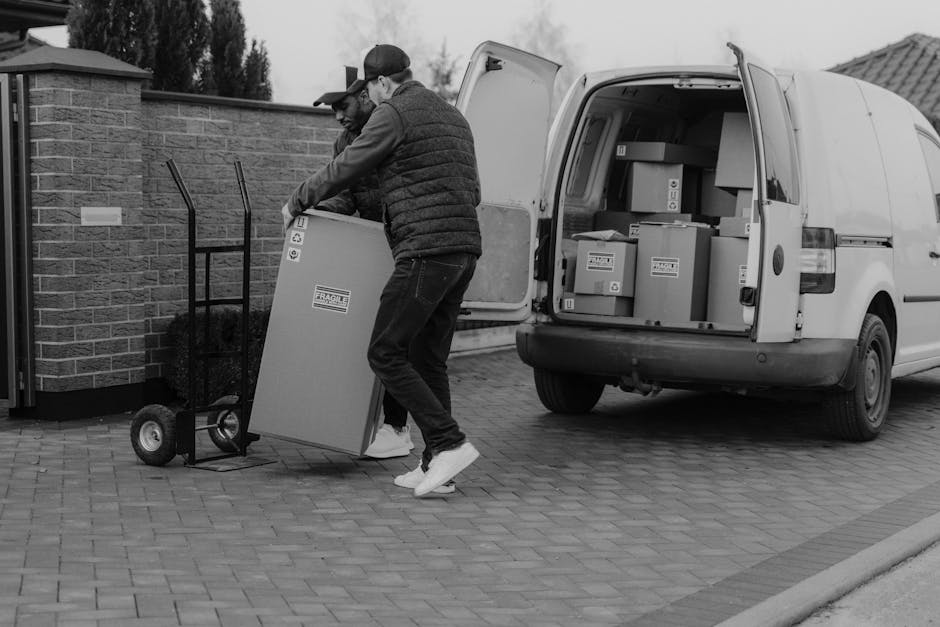
Man and van for Flask Walk moves NW3: a practical local guide
If you are planning a Man and van for Flask Walk moves NW3, the chances are you want something simple, careful, and realistic rather than a big, overcomplicated move. Flask Walk is one of those Hampstead streets where the charm is obvious, but the logistics can be a bit less charming. Narrow approaches, parking considerations, shared entrances, awkward staircases, and the usual London timing pressures can turn a small move into a stressful morning if it is not planned properly.
This guide breaks down how a man and van service typically works for Flask Walk moves, what makes this kind of move different, who it suits, and how to avoid the little mistakes that cost time and money. If you are comparing options, or you simply want to feel more in control before move day, you are in the right place. Let's make it manageable.
Table of Contents
- Why Man and van for Flask Walk moves NW3 Matters
- How Man and van for Flask Walk moves NW3 Works
- Key Benefits and Practical Advantages
- Who This Is For and When It Makes Sense
- Step-by-Step Guidance
- Expert Tips for Better Results
- Common Mistakes to Avoid
- Tools, Resources and Recommendations
- Law, Compliance, Standards, or Best Practice
- Options, Methods, or Comparison Table
- Case Study or Real-World Example
- Practical Checklist
- Conclusion
- Frequently Asked Questions
Why Man and van for Flask Walk moves NW3 Matters
Flask Walk sits in an area where moving is often less about distance and more about access. Even a short local move can become fiddly if the van cannot stop easily, if furniture has to be carried a little way by hand, or if neighbours, residents, and building access need to be respected. That is why a man and van service often makes more sense than a larger removal operation for many NW3 moves.
In practice, the value is in flexibility. A smaller vehicle is usually easier to position near tight streets and residential entrances. A one or two-person team can often handle a flat clear-out, a student move, a single-room relocation, or the transport of bulky items without the overhead of a full-scale removals crew. You are not paying for formality you do not need. To be fair, that is exactly what many people want in Hampstead: efficient help without the drama.
There is also a peace-of-mind factor. If you have lived in a top-floor flat, or in a building where every landing seems to have a corner that catches the wardrobe, you already know how quickly moving day can become physically tiring. A good local team understands that the job is not just transportation; it is handling, spacing, pacing, and care.
Practical takeaway: For Flask Walk, the best moving setup is usually the one that balances access, timing, and carrying effort, not the one that looks biggest on paper.
How Man and van for Flask Walk moves NW3 Works
A man and van move is usually straightforward, but the good ones are organised. You explain what needs moving, where from, where to, and any access issues the driver should know about. Then the move is scheduled around the amount of load, the distance, and the time needed for loading and unloading. Simple enough, but the details matter.
A typical move on or around Flask Walk may involve one of these patterns:
- collecting a small household load and delivering it to another address in NW3 or nearby
- moving furniture between flats, perhaps during a tenancy change
- helping a student or young professional move into a smaller property
- transporting boxes, personal items, or storage contents to a new home
- shifting awkward pieces like beds, desks, or wardrobes that do not fit in a normal car
The process usually follows a practical rhythm. You book the slot, confirm the load, prep the items, and then the team handles lifting and transport. If storage is part of the plan, it can also help to review pricing and quotes early so you understand your options before the rush of move day.
One thing people often underestimate: loading time. A 10-minute drive may still become a 90-minute job if there are many stairs, a long carry, or delicate items that need extra wrapping. That is normal. It is not a problem as long as you plan for it.
Key Benefits and Practical Advantages
The main advantage of a man and van service is that it gives you exactly enough moving support for a smaller or more complex local job. Not too much, not too little. And on a street like Flask Walk, that balance really matters.
1. Better fit for local access
Smaller vans are often easier to position in residential streets than larger removals lorries. If the van can park closer to the entrance, there is less carrying, less risk of damage, and less time spent shuttling items back and forth. That can make a noticeable difference, especially on a day when the weather is doing its usual London thing.
2. More cost control
Man and van jobs are often more cost-effective for smaller moves, particularly where you do not need a full crew or a large vehicle. The key is accuracy. If you overestimate or underestimate the load, you can end up paying more than expected or needing a second trip. Neither is ideal.
3. Faster scheduling for smaller jobs
For compact moves, there is usually less waiting around. You can often book a practical time slot and get the job done without the long lead time that bigger removals sometimes require. That is a real benefit if you are between tenancies or working around a handover deadline.
4. Less handling, if the plan is right
A properly planned local move can actually mean fewer touches on your belongings than trying to organise several friends, cars, and improvised trips. Fewer hands on the same box. Fewer opportunities for damage. Honestly, that alone can be worth it.
If you are comparing service reliability and how a business handles customer concerns, it can also be useful to look at pages such as the complaints procedure and terms and conditions, because clear policies usually signal a more organised operation.
Who This Is For and When It Makes Sense
Not every move needs a large removals team. In fact, many Flask Walk moves are best served by something lighter, especially if the load is modest and the route is local.
This option makes sense if you are:
- moving from a studio, one-bed, or small flat
- transporting a few large items rather than a full household
- moving in or out of storage
- relocating student belongings, boxes, or lightweight furniture
- needing flexible help for a same-day or short-notice move
- wanting a practical option for a short London journey with limited parking
It is also a decent fit when you want help but do not want to overpay for a service level that is too large for the job. There is a sweet spot here. If your move is too big for a car but too small for a full removals firm, a man and van is often the sweet spot.
That said, if you have a very large property, a lot of fragile specialist items, or a particularly complicated access setup, you may need more support than a basic van job can reasonably provide. The honest answer is always better than the optimistic one.
Step-by-Step Guidance
Here is a practical way to approach a Flask Walk move without the usual last-minute scramble.
- List everything that needs moving. Be specific. Write down furniture, boxes, bags, and anything unusually heavy or fragile. If you are tempted to say "a few things," pause and count properly.
- Check access at both ends. Think about stairs, lift availability, entrance width, loading restrictions, and how far the van will need to park from the door.
- Separate what stays, what goes, and what needs storage. This is the point where people save themselves a lot of hassle. If something should not go straight to the new address, set it aside now.
- Pack in sensible groups. Heavy items in smaller boxes. Fragile items padded and labelled. Everyday essentials in a bag you can reach without hunting through every box.
- Confirm timing and contact details. Make sure everyone knows the moving window, the address, and the best phone number to reach you on the day.
- Prepare the route inside the property. Clear hallways, move loose rugs, and open doors where possible. Tiny thing, big difference.
- Keep essentials apart. Keys, chargers, documents, kettle, medication, and toiletries should not disappear under a pile of bedding.
- Do a final walk-through. Check cupboards, shelves, behind doors, and the back of wardrobes. People leave surprising things behind when they are rushing.
If storage is part of your move, or you need a short pause between properties, it can be worth reviewing the company's about us information so you understand the service approach, then checking contact us when you are ready to ask specific questions.
Expert Tips for Better Results
Over the years, the smoothest small moves tend to have a few things in common. None of them are flashy. All of them matter.
- Measure the awkward items. Wardrobes, sofas, headboards, and desks are the usual troublemakers. Measure height, width, and depth before move day.
- Protect corners and edges. A little extra padding can stop scuffs on door frames, walls, and the furniture itself.
- Label boxes by room and priority. "Kitchen - first open" beats a pile of mystery boxes every time.
- Use smaller boxes for books and dense items. A box can be full or it can be liftable. Sometimes both, but not often.
- Leave a path from the property to the door. It sounds obvious. It rarely is.
- Be realistic about time. If you have stairs, traffic, or a tricky parking arrangement, build in breathing room.
A small tip that saves a lot of stress: keep a note on your phone with the move-day basics. Address, contact names, keys, special instructions, and the inventory. When things get busy, your memory is not always your best assistant.
And yes, even the most organised person can still misplace a phone charger at the worst moment. Move day has a sense of humour like that.
Common Mistakes to Avoid
Most moving problems are not dramatic. They are small, ordinary mistakes that add up. The good news is they are easy to avoid once you know what to look for.
Underestimating the load
A "small move" often turns into more than you thought once drawers, bags, bedding, and loose items are counted. This can affect van size, timing, and cost.
Ignoring access details
If the van cannot stop close by, the job takes longer. If there are tight stairs, it takes longer again. Not telling the mover about this early can make the day feel rushed for no good reason.
Packing too late
Last-minute packing leads to weak boxes, forgotten items, and unnecessary tension. It also tends to produce the one box everyone regrets opening later. You know the one.
Leaving storage decisions until the end
If some items are not going straight to the new place, decide that before the van arrives. Otherwise the move becomes a puzzle when it should be a sequence.
Forgetting moving paperwork
Tenancy documents, key receipts, deposit details, and any confirmation messages should be easy to reach. Keep them together so you are not rummaging at the doorway while everyone waits.
Where a move involves service terms, payment, or data handling, it is sensible to check pages like payment and security and privacy policy. That is not about being paranoid; it is just good habits, really.
Tools, Resources and Recommendations
You do not need a full removals toolkit for a local van move, but a few practical items can make the job far smoother.
| Item | Why it helps | Best use |
|---|---|---|
| Strong boxes | Protects contents and makes stacking safer | Books, kitchenware, mixed household items |
| Packing tape | Stops boxes opening under weight | Sealing and reinforcing box bottoms |
| Bubble wrap or paper | Cushions fragile items | Glassware, lamps, decor, electronics |
| Labels or marker pens | Makes unloading faster and more organised | Room labels, fragile notes, priority boxes |
| Blankets or padding | Reduces scratches and impact | Furniture, mirrored surfaces, appliances |
| Gloves | Improves grip and protects hands | Loading heavier items |
For anyone who wants to better understand service standards and safety expectations, it is worth reading the company's health and safety policy and insurance and safety information. If you have accessibility considerations, there is also an accessibility statement that may help you understand how the service is structured.
Some customers also like to know how sustainability is handled, especially when moving creates a lot of packaging waste. In that case, the recycling and sustainability page is a useful place to start. It is a small thing, but it helps people feel better about the mess that moves naturally create.
Law, Compliance, Standards, or Best Practice
For a local man and van move in NW3, the practical focus is usually on safe handling, sensible parking, clear communication, and fair service terms. You do not need to become a legal expert to move house, thankfully. Still, there are a few best-practice points worth keeping in mind.
First, make sure any move agreement is clear about what is included: loading, unloading, stairs, waiting time, parking constraints, and whether there are any extra charges for delays or additional items. Vagueness is where most misunderstandings grow. The same goes for cancellation or amendments, which should be set out clearly in the service terms.
Second, handling and lifting should be done with care. That means not overloading boxes, not forcing items through doors, and not rushing around blind corners. It sounds basic, but basic is what keeps things safe.
Third, insurance and liability expectations should be understood before the move starts. Customers do not need a lecture on paperwork, but they do need to know what happens if something goes wrong. Good operators are transparent here. If a provider is not clear, that is a bit of a red flag.
Finally, respect for neighbours and shared spaces matters. In a place like Flask Walk, that may mean keeping noise down, avoiding blocked entrances, and moving efficiently so access is not tied up for longer than necessary. Good etiquette is part of good service.
Options, Methods, or Comparison Table
It helps to compare the common ways people handle a small local move. The right choice depends on your load, your timing, and how much physical effort you are willing to take on yourself.
| Option | Best for | Pros | Limitations |
|---|---|---|---|
| Man and van | Small to medium local moves | Flexible, practical, usually cost-conscious, better for tight streets | May be less suitable for large households or very complex moves |
| Full removals team | Larger or high-volume moves | More manpower, more structured, better for heavy workloads | Often more expensive than needed for a small move |
| Self-move with a car | Very small loads | Cheap in theory, simple for a few bags or boxes | Poor for bulky furniture, time-consuming, physically awkward |
| Storage-first approach | Moves with timing gaps | Useful when dates do not line up, reduces pressure | Requires an extra step and good organisation |
For Flask Walk, man and van is often the most balanced choice because it sits neatly between "too much service" and "too much effort." That middle ground is where a lot of real-life moves actually live.
Case Study or Real-World Example
Picture a typical Hampstead scenario. A resident in a first-floor flat on or near Flask Walk needs to move into a nearby property, but the new place is not ready until later the same day. There is a sofa, a bed frame, a mattress, six boxes of books, a couple of suitcases, and a very awkward table lamp that seems determined to be difficult.
A sensible plan would be to book a man and van for a time window that allows for access checks and a little flexibility. Boxes are labelled in advance. The sofa is measured before move day because it will not magically shrink. The resident keeps essentials in a separate bag and arranges storage for the items that cannot go in immediately. On the day, the van is loaded in a clear order: fragile items first, heavy items low, furniture protected with blankets, and the route kept free.
What makes that move go smoothly? Not luck. Planning. A calm pace. A realistic load estimate. And the decision not to improvise once the clock is already running.
That is usually the difference between "a bit of a faff" and "actually quite manageable."
Practical Checklist
Use this checklist before your Flask Walk move to keep things under control.
- Confirm move date, time, and contact details
- List every item to be moved, including small loose items
- Measure any furniture that might be awkward
- Check parking and access at both addresses
- Decide what goes to storage, if anything
- Pack fragile items securely and label them clearly
- Keep essentials separate and easy to reach
- Protect floors, corners, and furniture where needed
- Review service terms, payment details, and safety information
- Do a final sweep of cupboards, shelves, and hidden corners
And one more thing: keep a bottle of water nearby. It sounds minor, but on a moving day even that small bit of comfort matters more than people expect.
Conclusion
A Man and van for Flask Walk moves NW3 is often the smartest choice when you want a local move that feels practical, efficient, and manageable. The real value comes from matching the service to the street, the access, and the actual size of the job. Once you plan properly, the whole thing becomes much less intimidating.
If you take anything from this guide, let it be this: count your items honestly, think about access early, and keep the day as simple as possible. Good moving is rarely glamorous, but it can be smooth. And smooth is what most people want, especially when they are already juggling keys, boxes, and a slightly chaotic schedule.
Get a free quote today and see how much you can save.
When you are ready to take the next step, start with a clear plan and a calm head. That is usually enough to turn a stressful move into one that feels surprisingly under control.
Frequently Asked Questions
What is a man and van service for Flask Walk moves?
It is a smaller-scale moving service designed for local or light-to-medium moves, typically using a van and one or two movers. It suits jobs where a full removals crew would be more than you need.
Is a man and van suitable for a flat move in NW3?
Yes, especially if you are moving from a studio, one-bedroom flat, or a small household. It is often a practical option when access is tight or the load is modest.
How far in advance should I book?
For local moves, earlier is usually better, particularly at busy times of the month. If your date is fixed, booking ahead gives you more certainty and fewer last-minute headaches.
Can a man and van handle stairs?
Usually yes, but you should mention stairs when booking. Stairs affect timing, carrying effort, and sometimes the number of people needed on the job.
What should I tell the mover before moving day?
Share the address, access details, number of items, any heavy or fragile pieces, parking limitations, and whether storage is involved. The more accurate the information, the smoother the move.
Is it cheaper than hiring a full removals company?
Often yes for smaller jobs. The best choice depends on the size and complexity of the move, not just the headline price.
Do I need to pack everything myself?
Not always, but you should expect to prepare your belongings carefully. Even if the mover helps with loading, packed boxes and organised items make the whole process far easier.
What happens if the van cannot park right outside?
Then items may need to be carried a bit further, which can add time and effort. This is common in London, so it is best to mention parking limitations before the move starts.
Can I use this service for storage runs?
Yes. A man and van is often ideal for moving items into or out of storage, especially when you only have a few bulky pieces or a set of boxes.
What if I only have a few items?
That is often exactly the sort of job a man and van is good at. A small load can be moved efficiently without the expense of a larger service.
Are fragile items safe in a van move?
They can be, as long as they are packed properly and handled with care. Good padding, clear labels, and sensible loading order make a big difference.
Should I check terms and insurance before booking?
Yes. It is wise to understand the service terms, payment process, and insurance coverage before the move. Clear expectations reduce stress and help avoid disputes later.
Can man and van help with same-day moves?
Sometimes, depending on availability. If you need a same-day move, contact the provider as early as possible and be ready to give clear details about the load and access.