Camden Council rules for Hampstead moving permits and parking

If you are planning a move in Hampstead, the parking side of things can be the part that catches people out. The boxes are packed, the van is booked, everyone is already a bit tense... and then you realise the road is narrow, the bay is controlled, or the loading space you expected is not available. That is exactly where understanding Camden Council rules for Hampstead moving permits and parking makes a real difference.
This guide breaks the process down in plain English. You will learn why permits matter, how parking and loading restrictions usually work in this part of London, what to check before moving day, and how to avoid the common mistakes that turn a straightforward move into a stressful one. If you want the move to feel calm rather than chaotic, you are in the right place.
- Why Camden Council rules for Hampstead moving permits and parking Matters
- How Camden Council rules for Hampstead moving permits and parking Works
- Key Benefits and Practical Advantages
- Who This Is For and When It Makes Sense
- Step-by-Step Guidance
- Expert Tips for Better Results
- Common Mistakes to Avoid
- Tools, Resources and Recommendations
- Law, Compliance, Standards, or Best Practice
- Options, Methods, or Comparison Table
- Case Study or Real-World Example
- Practical Checklist
- Conclusion
- Frequently Asked Questions
Why Camden Council rules for Hampstead moving permits and parking Matters
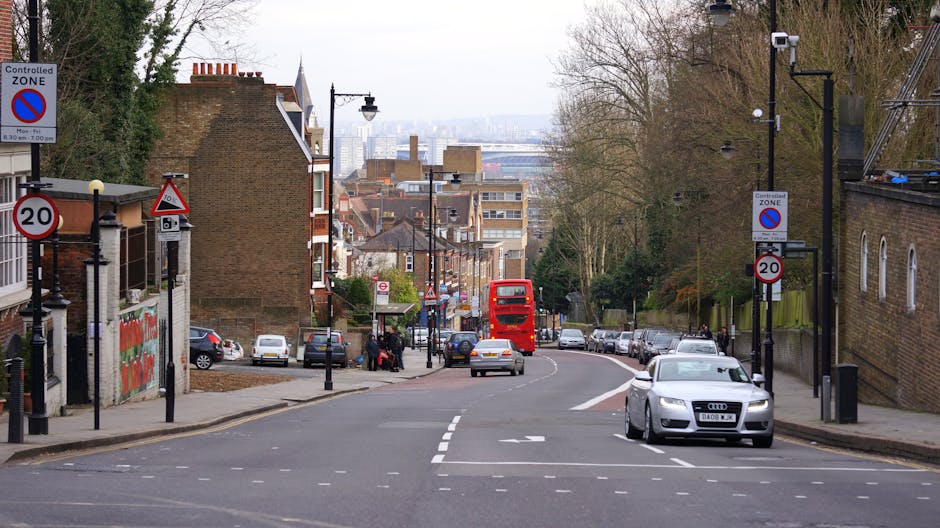
Hampstead is one of those London areas where moving day feels a little tighter than elsewhere. Roads can be narrow, spaces are limited, and parking controls are often active. That means a van cannot always just stop outside the building and unload at leisure. If you ignore the rules, you may end up with delays, parking charges, a fine, or a van driver circling for ages while everyone else stands around holding a sofa. Not ideal.
The point of following the correct parking and permit process is not just to stay on the right side of Camden Council. It is also about protecting your time, reducing physical strain, and keeping the move organised. A well-planned loading arrangement often saves more stress than people expect. In our experience, the difference between a smooth move and a frazzled one is often just a few practical checks done the day before.
It also matters because Hampstead properties often involve awkward access: basement flats, shared stairwells, tight front gardens, or no off-street space at all. When parking is managed properly, movers can work faster and safer. If parking is not managed properly, every box starts to feel heavier. Funny how that works.
For anyone arranging removals, especially alongside storage, this is where services like removals or removals and storage can make a hard day feel much more manageable, because the logistics are handled with the parking reality in mind.
How Camden Council rules for Hampstead moving permits and parking Works
The exact rules can vary depending on the street, the time of day, the type of bay or restriction, and whether the vehicle is just loading or will be left parked. That is why it is never wise to assume the kerb outside your address is automatically available. In controlled parking areas, you usually need to look at three things:
- whether the van can legally stop for loading or unloading
- whether any resident or pay-by-phone restrictions apply
- whether you need a permit, dispensation, or temporary loading arrangement
For moving house, councils often treat short-term loading differently from general parking. A van may be allowed to pause briefly to load or unload, but that does not mean it can sit there for hours. If your move is large, or the furniture is heavy and slow to carry, you may need a more formal arrangement. This is especially true on busier roads or where bays are normally in demand.
One useful way to think about it: parking is about where the vehicle can sit, while loading is about what the crew is actively doing. Those are related, but not the same. That distinction trips people up a lot.
If you are using professional help, ask whether the mover is used to working in controlled parking zones and whether they are comfortable planning around timed access. A good local team will not promise miracles, but they will know how to work around the realities of a Hampstead street. If you need help with smaller loads, a man and van option is often easier to fit into restricted parking than a larger vehicle.
Key Benefits and Practical Advantages
Getting the parking and permit side right has benefits beyond avoiding hassle. A few are obvious; a few are less obvious until you are standing there on moving day, already slightly exhausted.
- Less delay: your team can start unloading quickly instead of waiting for a space.
- Lower risk of fines: you reduce the chance of parking contraventions or complaints from neighbours.
- Safer handling: shorter walking distances mean fewer trips, less strain, and less chance of damage.
- Better access planning: you can choose the right vehicle size and loading approach.
- Less neighbour friction: nobody enjoys being blocked in by a moving van at 8am.
There is also a practical money angle. If a van cannot park properly, the crew may take longer, which can push up labour costs or create knock-on delays for the rest of the day. That is one reason many customers prefer to plan storage and transport together. A flexible option such as short-term storage can help if your possession dates do not line up perfectly or if you need to clear items in stages.
Expert summary: the best moving permit plan is the one that protects your loading time, fits the street conditions, and avoids last-minute improvisation. The quieter your moving day feels at the kerb, the easier everything else becomes inside the property.
Who This Is For and When It Makes Sense
This topic matters for more people than you might expect. Hampstead has a mix of flats, terraces, mansion blocks, converted properties, student lets, and professional households. Each one comes with different access headaches.
You will usually need to think seriously about parking and permits if you are:
- moving into or out of a flat with no driveway or private forecourt
- using a removal van in a controlled parking zone
- moving on a weekday morning or during a busy traffic window
- planning a full house move with bulky furniture
- moving office equipment or archived files from a workplace
- working to a tight handover deadline
Students and renters often assume a smaller move means fewer parking issues. Sometimes that is true, but not always. A couple of heavy desks, a mattress, and a few suitcases can still take longer than expected if the van cannot stop close by. For smaller jobs, small removals is often a better fit than trying to force a full-size setup into a tight street.
Businesses face a different pressure. If a moving team is collecting stock, equipment, or records, parking problems can disrupt trading hours. In those cases, business storage or office storage can reduce the amount that needs to be moved in one go, which is frankly a relief when the clock is ticking.
Step-by-Step Guidance
Here is the simplest way to handle Hampstead moving parking without overcomplicating it. Keep it practical. One task at a time.
- Check the street outside both properties. Look for controlled bays, yellow lines, resident-only restrictions, or signs about loading limits. Do not rely on memory from a quick drive-by last week.
- Measure the access properly. Consider whether a van can stop close enough for loading and whether the walkway, stairs, or doorway will slow things down.
- Decide what size vehicle you actually need. Bigger is not always better on a Hampstead road. Sometimes a smaller vehicle is faster because it can park more easily.
- Ask whether a permit or dispensation is needed. If you are unsure, confirm early rather than waiting until the day before. Last-minute arrangements are never as simple as they sound.
- Build in extra time. Even a tidy move can be delayed by neighbours, deliveries, or traffic on a narrow street.
- Prepare the item flow. Put the heaviest pieces near the exit first, keep the boxes labelled, and clear corridors before the van arrives.
- Have a backup plan. If parking is blocked, know where the van can safely wait and who will direct it in. A bit of coordination helps a lot.
If your move includes furniture you do not want standing around the hallway for days, consider combining the move with furniture storage. That gives you more breathing room if the parking window is tight or the keys are late. Truth be told, this saves a lot of last-minute panic.
Expert Tips for Better Results
Most moving-day parking problems are avoidable. The trick is to think like a local operator, not like someone crossing their fingers and hoping the street will be kind. Hampstead rarely rewards optimism on its own.
Plan for the awkward bit, not the easy bit. People often focus on the room contents and forget the kerbside access. Yet the walk between van and front door is where time disappears. A 20-metre carry sounds fine on paper; after the third trip, not so much.
Use timed loading sensibly. If the street allows loading only within certain hours or for a limited duration, structure the move around the largest items first. Beds, wardrobes, and sofas should not be left until the end.
Choose the right support service. A local team familiar with Hampstead streets can often advise on what vehicle fits where and what approach works best. For example, local removals can be a smarter choice for short-distance moves with tighter access.
Keep essential items separate. Parking delays are frustrating enough without having to search for kettle leads, medication, or keys. Put those in one bag and keep them with you. You will thank yourself later.
Ask about loading sequence. If the van can park only briefly, build a load order so that the heaviest or most awkward items go on first. It sounds basic, but basic wins on moving day.
And if the move is really only part of a bigger change, combining transport with self storage or mobile self storage can be a sensible way to reduce the pressure on parking and timing. Sometimes the easiest move is the one you split into two smaller ones.
Common Mistakes to Avoid
A lot of moving day headaches come from the same handful of mistakes. Once you know them, you start spotting them everywhere. A bit annoying, really.
- Assuming loading is the same as parking. A van may be allowed to stop briefly for loading, but that does not guarantee long-term parking permission.
- Leaving permit checks until the day before. By then, options may be limited and stress levels are already climbing.
- Ignoring vehicle size. A larger van can create a bigger problem on a narrow road than a smaller one.
- Not telling neighbours. A quick heads-up can prevent complaints, blocked doors, or avoidable tension in a shared building.
- Forgetting the return move. If you are moving out and then back in later, you may need parking arrangements at both ends.
- Overfilling the schedule. If every hour is booked solid, any parking delay becomes a genuine problem.
One small but important point: if your move involves fragile or valuable items, do not make the parking arrangement so tight that the team rushes. That is where breakages happen. Better to leave a sensible buffer than to shave off ten minutes and regret it later.
For delicate household contents, using packing services can help reduce mistakes on the day. It also makes loading faster, which is useful when parking windows are limited.
Tools, Resources and Recommendations
You do not need a complicated toolkit to handle moving parking well. You do need a few practical things in place.
- A street plan: a clear idea of where the van can wait, load, or turn around.
- A phone contact list: one person for the movers, one for the property, one for any building manager if relevant.
- Boxes and labels: so the unload happens quickly and efficiently.
- Measuring tape: useful for checking whether large furniture can clear doorways without delay.
- Printed notes: especially if you are moving into a managed block where access instructions are easy to miss.
For households that need more flexibility, household storage can reduce pressure by letting you move in stages. If you are relocating a full property, house removals gives you a more complete end-to-end option. For flats with awkward staircases or narrow entries, flat removals is often the more realistic approach.
Businesses moving records or files should also think about storage that keeps materials accessible and secure. document storage can be especially helpful when you do not want archive boxes taking over the dining room for three weeks straight.
Law, Compliance, Standards, or Best Practice
When people talk about moving permits and parking, they often mix together law, council policy, and practical best practice. It helps to separate them a little.
Law and local rules: parking restrictions are legally enforceable. That means signs, bay markings, and loading rules matter. If a street is controlled, you need to treat the restrictions seriously, even if the van is only there for a short time.
Council administration: some parking arrangements require advance approval, dispensation, or a temporary arrangement depending on the vehicle and location. Procedures can change, so always check the current position rather than relying on old advice from a neighbour who moved three years ago.
Best practice: the safest approach is to verify access early, use a vehicle that suits the street, and keep loading efficient. For moves involving commercial items, secure handling and insurance should not be afterthoughts. If you are moving equipment, valuable furniture, or a business archive, it is sensible to review insurance and safety guidance before the day arrives.
Health and safety: moving in tight spaces increases the risk of slips, strained backs, and damaged property. Safe lifting, clear pathways, and sensible load sizes matter more when parking is constrained because everything happens faster and closer together. If a crew is lifting up stairs from a parked van, the margins are tighter. No one needs heroic lifting on a Tuesday morning.
It is also good practice to read the supplier's terms and conditions before booking. That is where timeframes, responsibilities, and service scope are usually set out. For general company policies and standards, the pages on about us and health and safety policy can also help you judge whether the service is run with proper care.
Options, Methods, or Comparison Table
Different moving setups suit different Hampstead streets. The table below gives a simple comparison so you can make a more grounded choice.
| Option | Best for | Pros | Watch-outs |
|---|---|---|---|
| Small van | Single flats, lighter loads, tight streets | Easier to park, less street disruption | May need more trips |
| Medium removal van | Typical household moves | Good balance of capacity and access | Can still be awkward on narrow roads |
| Large removal vehicle | Big house moves or full office relocations | Fewer trips, better for volume | Harder to position near controlled bays |
| Split move with storage | Tight access, delayed dates, staged move-ins | Lower pressure on parking and timing | Requires more planning |
For many Hampstead moves, the split-move option is the quiet winner. Not glamorous, maybe, but effective. If you have furniture that can wait a few days or weeks, long term storage or secure storage can be a practical buffer when dates are messy.
Students and younger renters often benefit from a simpler set-up. student storage can help when term dates, tenancy dates, and parking access do not line up neatly. They rarely do, to be fair.
Case Study or Real-World Example
Imagine a couple moving from a top-floor flat off a busy Hampstead side street into a larger place nearby. The new property is only a short distance away, but the roads are narrow and both buildings have awkward access. The van can stop briefly outside one address, but not comfortably at both.
Instead of trying to do everything in one chaotic lift-and-load session, they split the move into two parts. The first day handles bulky furniture and essentials. The rest goes into storage for a short period. That means the van is not forced to sit in a tight bay for hours, and the loading crew can work faster with fewer obstacles. The hallway stays clearer, the building manager is happier, and the couple gets to breathe a little.
That is the hidden value of good parking planning: it turns a moving day from a single high-pressure event into a sequence of manageable steps. Sometimes the smartest move is not the most direct one.
In this sort of situation, combining transport with removals and storage can remove a surprising amount of friction. It is not about making the move longer. It is about making it easier to live through.
Practical Checklist
Use this checklist before moving day. It is simple, but it catches the stuff people forget when the boxes start multiplying.
- Check parking restrictions outside both properties
- Confirm whether loading is permitted and for how long
- Choose a van size that suits the street, not just the volume
- Ask if a permit, dispensation, or special arrangement is needed
- Tell neighbours or the building manager if access may be affected
- Prepare labels, key documents, and essential items separately
- Keep a backup loading spot in mind
- Build in buffer time for traffic, stairs, and delays
- Pack fragile items carefully and mark them clearly
- Check whether storage will reduce pressure on the move
One small reminder: if you are moving business items, review whether office removals or office storage would make the handover cleaner. Commercial moves often look simple until the first printer, box file, and monitor stand appears.
Conclusion
Camden Council rules for Hampstead moving permits and parking are not the most exciting part of a move, but they are often the part that decides whether the day feels smooth or scrambled. If you understand the street restrictions, plan your vehicle access, and build in a little flexibility, you give yourself a much better chance of a calm move.
The best approach is usually the least dramatic one: check early, choose the right support, keep the loading window realistic, and do not leave parking to chance. That is especially true in Hampstead, where access can be tight and patience can run thin by mid-morning.
If your move includes storage, smaller loads, or a mix of household and business items, planning the parking side alongside the transport side will save you time and energy. And let's face it, on moving day those are two things you want to protect.
Get a free quote today and see how much you can save.
With the right plan, even a cramped London street can feel a lot less daunting. One careful step at a time, and you will get there.
Frequently Asked Questions
Do I need a permit for a moving van in Hampstead?
It depends on the street, the parking restrictions in place, and how long the van will stop for loading or unloading. Some locations allow brief loading, while others need a formal arrangement. Check the specific street conditions early so you are not guessing on the day.
Can a removal van just stop outside my flat briefly?
Sometimes, yes, if the restriction allows loading and the stop is genuinely short. But you should not assume this will always be acceptable. In Hampstead, controlled parking and narrow streets can make even a short stop difficult if you have not checked the signs carefully.
What happens if the van cannot park near the property?
Usually, the team has to park further away and carry items longer distances, which slows things down and can add strain. That is why parking planning matters so much. A longer carry is manageable, but it is not something you want to discover halfway through the move.
Is a smaller van better for Hampstead streets?
Often, yes. Smaller vehicles are easier to position in tight roads and controlled bays. They may mean more trips, though, so the best choice depends on the volume of belongings and how restrictive the parking is.
How far in advance should I plan parking for moving day?
As early as possible. Even if the actual permit or arrangement is straightforward, leaving it to the last minute tends to create stress. A few days of lead time is better than none, and longer is even better for busy locations.
Can storage help if parking is difficult?
Yes. Storage can reduce the amount that needs to be unloaded in one session, which is useful when parking time is limited or access is awkward. It can also help when move-out and move-in dates do not line up neatly.
What should I do if I am moving into a flat with no driveway?
Check the road restrictions, plan the loading point carefully, and think about whether the vehicle can stop safely close enough to the entrance. If access is very tight, a smaller van or staged move may be a better option than trying to force everything in one go.
Do office moves need the same parking planning as house moves?
Yes, and sometimes even more so. Office moves often involve larger items, files, IT equipment, and fixed time windows. Parking delays can affect staff, building access, and business continuity, so the logistics need proper attention.
What if my neighbours complain about the moving van?
Good communication helps. A heads-up, clear timing, and a tidy loading plan usually reduce friction. If the move is in a shared building or narrow street, a little courtesy goes a long way. People tend to be more patient when they know what is happening.
Should I book removals and storage together?
If your dates are uncertain, or if parking and access are awkward, booking them together can make life easier. It keeps the process simpler and lets you move at a pace that suits the building, the street, and your own sanity. Which, on moving day, is not a small thing.
How do I know whether my move is better suited to small removals or a full removal service?
If you are moving only a few rooms, a compact load, or a short distance, small removals may be enough. If you are moving a full property with bulky furniture and multiple rooms, a fuller service such as house removals is usually the better fit.
What is the safest way to handle valuable or fragile items during a parking-constrained move?
Pack them properly, mark them clearly, and keep the loading route as short and controlled as possible. If you are worried about timing, use storage for the fragile or high-value items so they are not rushed. That little bit of breathing room can make all the difference.